
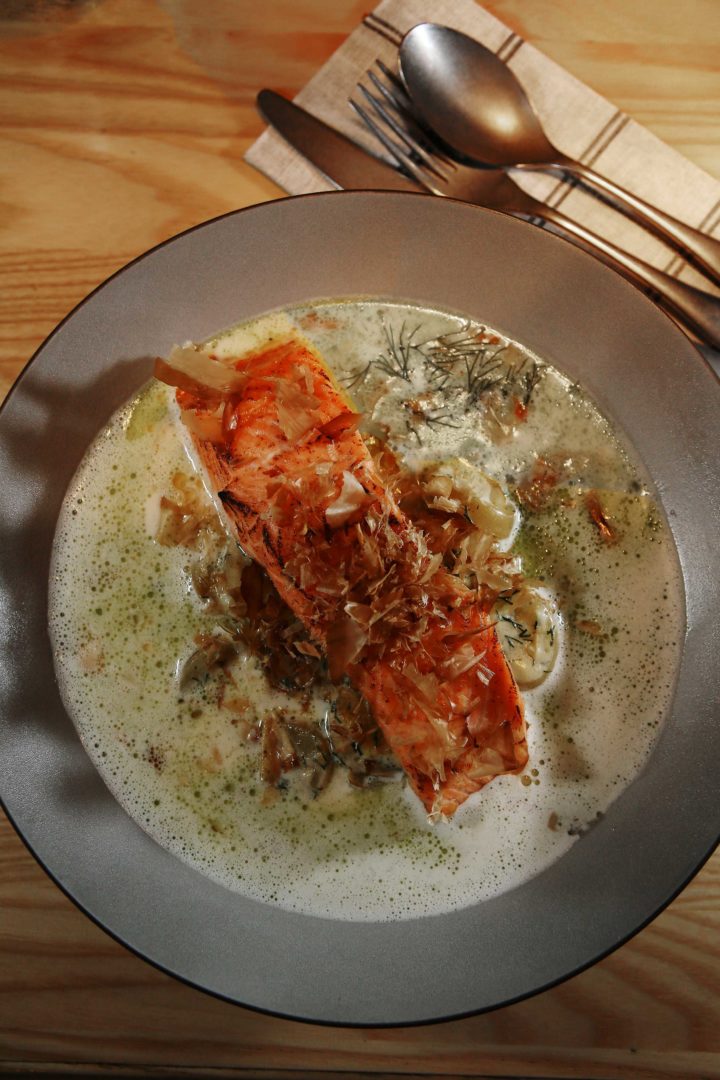
Across the Nordic countries, traditional home cooking is making a comeback. In Sweden, the concept is known as husmanskost – simple, honest food made from local ingredients. While the word is Swedish, the philosophy is deeply familiar in Finland.
Text: Mika Remes
Photos: Mika Remes
Long before sustainability became a global trend, Finnish households relied on seasonal ingredients, local produce and a practical approach to cooking. Fish from nearby lakes and seas, root vegetables stored for winter, wild berries gathered from forests and freshly baked rye bread formed the backbone of everyday meals. Nothing was wasted, and every ingredient had value.
Today, those same ideas are helping to shape modern Finnish food culture.
Finland’s culinary identity is built on simplicity and quality. Traditional dishes such as salmon soup, cabbage rolls, pea soup, Karelian pies and oven-baked salmon remain popular, while contemporary chefs continue to reinterpret classic recipes using local ingredients. The result is a cuisine that feels both timeless and surprisingly modern.
Perhaps nowhere is this more evident than in the growing appreciation for ingredients sourced directly from nature. Finland’s forests provide mushrooms, berries and game, while its thousands of lakes supply freshwater fish that have sustained communities for generations. The concept of eating locally is not new here. It has always been part of daily life.
Many beloved Finnish dishes also reflect centuries of cultural exchange across the Baltic Sea. Swedish influences can be seen in everything from meatballs and cinnamon buns to festive holiday traditions. Yet these foods have evolved over time into something distinctly Finnish, shaped by local ingredients and regional tastes.
Elsewhere in the Nordic region, traditional cuisine takes different forms. Denmark is famous for its open-faced sandwiches, Norway for its seafood and Iceland for its lamb and North Atlantic flavours. What unites them all is a shared respect for ingredients and a belief that good food does not need to be complicated.
The Nordic food tradition extends to drinks as well. Beer has accompanied meals for centuries, while aquavit remains a classic partner for fish and festive gatherings throughout the region. Finland, meanwhile, has developed a vibrant craft beer scene alongside its long-standing appreciation for vodka and berry-based spirits.
Part of the appeal of traditional Nordic cooking is its accessibility. The dishes are often straightforward, affordable and made from ingredients that anyone can find. Yet behind that simplicity lies a rich cultural heritage shaped by climate, geography and generations of home cooks.
For visitors to Finland, traditional food offers more than just a meal. It is a way to understand the country itself: practical yet creative, deeply connected to nature and proud of its traditions without being trapped by them.
Taste Finland: Salmon Soup (Lohikeitto)
This creamy soup combines salmon, potatoes, carrots, onions and fresh dill in a dish that has warmed Finnish tables for generations. The ingredients are simple, but the result is one of Finland’s most beloved meals. Traditionally served with rye bread and butter, lohikeitto perfectly captures the Finnish approach to cooking: honest ingredients, gentle flavours and no unnecessary complications.
Simple Finnish Salmon Soup
Ingredients
- 500 g salmon, diced
- 600 g potatoes, peeled and cubed
- 2 carrots, sliced
- 1 onion, chopped
- 1 litre fish or vegetable stock
- 2 dl cream
- Fresh dill
- Salt and black pepper
Method
- Simmer potatoes, carrots and onion in the stock for about 15 minutes.
- Add the salmon and cook gently for 4–5 minutes.
- Stir in the cream and season with salt and pepper.
- Finish with plenty of fresh dill and serve with rye bread.